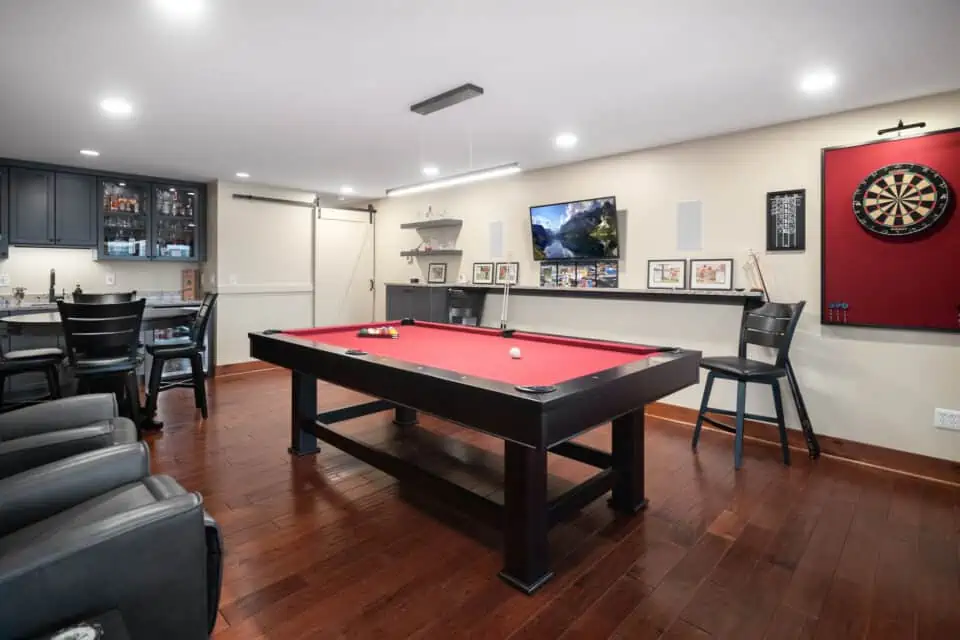


There’s a natural tendency to think of basements as dark, damp, and dingy. But anyone who’s seen a fully remodeled and finished basement knows that it doesn’t have to be that way.
Choosing the right windows can make a basement feel vibrant and dynamic. Windows can let in natural light to brighten up a basement while also providing fresh air when operable. At the same time, a basement window can provide a safe exit in emergencies, creating peace of mind for homeowners. And of course, different types of basement windows can add style and complement the rest of your interior design.
In this guide, I’ll delve into the topic of basement windows. I’ll start by explaining some of the main considerations when choosing basement windows and then go through the main types that you may consider when planning a basement renovation.
Key Considerations When Choosing Basement Windows
When choosing basement windows, there are a few factors to consider that can influence the ideal type of window for your home.
- Safety: In case of an emergency, you may need a way to exit your basement and get outside quickly. When installing windows in a below-grade space, careful planning ensures both compliance with egress regulations and long-term durability. This is known as “egress,” and most building codes have egress requirements related to window size and positioning in any basement bedroom. Even when not strictly required, having egress routes can improve safety in your home. However, not all windows can function as an emergency exit.
- Basement orientation: Your options for different types of windows depend in part on how your basement is aligned with your lot. Sloped properties tend to have more options for daylight and walkout basements with larger windows that are above ground level. If your basement is mostly below ground, you may need window wells for any egress windows.
- Natural light: Windows can be a source of natural light and go a long way to keeping your basement from feeling like a cave. Using energy efficient windows in basements can help reduce drafts and maintain consistent indoor temperatures year-round.
- Insulation: In colder climates, having energy efficient windows can reduce heating costs and make your basement more comfortable.
- Size and installation: With any type of window, you’ll need to consider its size and location within your basement. In many cases, basement windows choosing the right glazing, frame materials, and hardware directly impacts performance and longevity.
- Style: Certain types of windows offer more of a stylistic touch, which may be important to the interior and exterior appearance of your home.
Types of Basement Windows
There are multiple categories and types of basement windows. The distinctions are not always clear-cut, and some windows may have overlapping characteristics across different styles or types.
That said, the following sections describe the most common types and categories of basement windows.
Egress Windows

Egress windows serve as an emergency exit. This category of basement windows provides a sense of security since they are a way to get out of your home in case of a fire or other dangerous situation.
Exact egress requirements can vary based on local building codes, but you’ll almost always need an egress window for any bedroom in your basement. Because they need to be usable to exit the house, egress windows have specific minimum sizes. Typically, the window opening needs to be no smaller than 24 inches high by 20 inches wide. The location of a basement egress window normally has to be no more than 44 inches from the ground.
While the focus of an egress window is safety, these windows can also be a significant source of natural light.
Daylight Windows

This is a broad category that can include many specific types of windows that can be installed in a daylight basement.
A daylight basement is at least partly above ground level and includes one or more windows, but it doesn’t have a door for exterior access.
As the name implies, daylight windows let in significant natural light. This is because more of the windows are above ground level. For many homeowners, large daylight windows are a way to design a basement space with enhanced brightness and openness.
Walkout Windows
Walkout windows are similar to daylight windows except they fit within a walkout basement, which means that the basement has a door for direct exterior access. For basements opening onto patios or gardens, windows that connect visually with the surrounding exterior space can make the room feel larger and more integrated. Many walkout windows are adjacent to the door, providing ample daylight and a more open feel.
Casement Windows

Casement windows are hinged windows that open outward like a door, typically operated by a crank mechanism. With a window that can be fully opened, they enable plenty of airflow and, depending on their size and positioning, can meet egress criteria.
Hopper Windows
Hopper windows are a type of basement window that opens inward. A common style is to have a hinge at the top of the frame, but some have a hinge at the bottom.
Even when they are larger, hopper windows may not qualify as egress windows because of how they open. A horizontal orientation is most popular with hopper windows in basements. To let in more light, these windows are frequently installed higher up on the interior wall.
Awning Windows

Awning windows have a hinge at the top and open outward.
These basement window styles come in various sizes, and, with a large enough opening, they can meet the requirements to be an egress window.
Like hopper windows, awning windows typically have a horizontal frame. However, you can select the size, orientation, and positioning of awning windows based on your specific needs.
Sliding Windows

Sliding windows are easy to open and close, making them an appealing option for basement windows, especially when maximizing fresh air circulation is a priority. With double sliding windows, you can open them from the left or the right side, making them even more convenient to use.
You can install small sliding windows for ventilation and natural light, or you can put in larger ones that meet the requirements of egress windows.
Double-Hung Windows

With this type of window, there are two moving sections, also known as sashes, allowing you to open the window from the top or bottom. Because they frequently have a larger size, these basement windows may be difficult to fit in some basements. As a result, they tend to be more popular in daylight and walkout basements.
If needed, double-hung windows can have an opening that fits the regulatory requirements for egress windows.
Picture Windows

Picture windows are larger and not meant for opening. Choosing larger windows in walkout or daylight basements enhances natural light and creates a visual connection with your exterior space. A picture window works well in brightening up a daylight basement or walkout basement, and they are especially compelling if you have a nice view out to your yard. But if your basement is primarily below ground level, then a picture window won’t be an attractive option.
Glass Block Windows
A glass block window is a traditional style of window made up of a grid of connected squares made of frosted glass. These windows don’t open, so there’s no egress possibility. The thick frosted glass also reduces how much natural light they allow in.
As a result, glass block windows are rarely installed anymore, and many homeowners seek to replace them during basement remodels. Prioritizing energy efficient options during window upgrades not only contributes to sustainability but also enhances indoor comfort.
Faux Windows
If your basement is below ground with few options for windows looking out on something other than concrete, you can consider putting in a faux window. With this approach, you mount a window frame on the wall with an LED light behind it, so the inside light looks like it’s coming in through a window.
Of course, this isn’t a real window type, and it won’t let in any natural light. However, it is a maintenance-free, low-cost option that can give your basement an interesting look and a bit more illumination.
Basement Windows and Basement Remodeling
A basement remodel is the ideal time to upgrade older basement windows. Many homeowners opt for replacement windows during basement renovations to improve insulation, function, and aesthetic appeal simultaneously.
In designing a renovation, you can choose from a wide variety of options when selecting basement windows that are best suited to your space and the goals of your remodel. An important step in selecting basement windows is understanding how different styles affect ventilation, safety, and light within your remodeled space.
At Upscale Remodeling, we specialize in high-end remodeling projects that can revitalize your living spaces. When installing windows, precise placement and quality installation techniques help prevent moisture intrusion and ensure long-term performance. We’ve been serving the Ithaca area for more than 30 years, and our team is experienced in handling even the most complex work, including remodeling the historic homes in our region.
If you have questions about how to install basement windows, basement walls or other basement designs, don’t hesitate to contact us to schedule an appointment. Proper framing and sealing are critical when installing windows in a basement, where structural elements and moisture control are key considerations.
You can check out our website to learn more about us, including our process and our portfolio.