
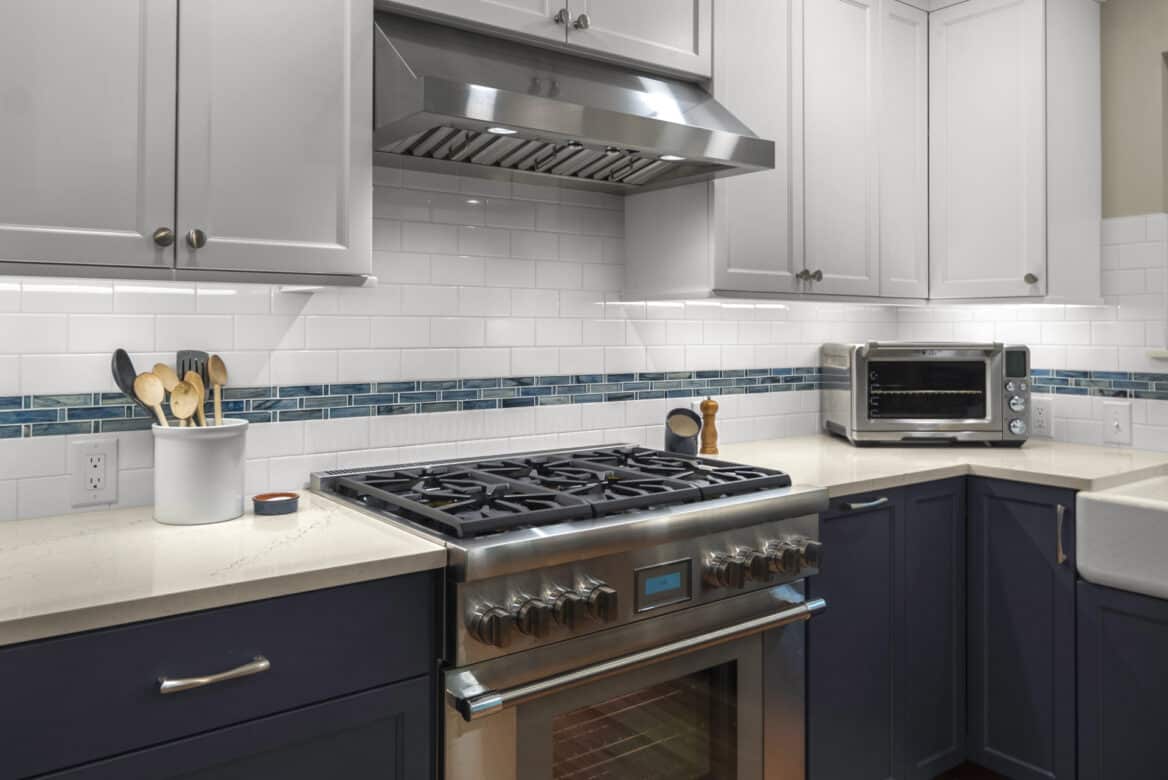
Classic white subway tile has a timeless appeal. With its sharp look and staggered tile layout, it can deliver a familiar yet striking appearance in kitchens and bathrooms. For that reason, it remains a top choice for home remodeling projects.
But it’s not just about the tile. Grout color can significantly influence the overall design aesthetic of a space. The choice of grout color can evoke different moods and styles, influencing the overall feel of the space. Choosing the right grout type and color is key to achieving a durable and visually appealing result in white subway tile installations.
When selecting a grout color for white tile, it’s important to consider both the tile’s undertones and the effect you wish to achieve. As part of that equation, the ideal grout color for white tile can vary depending on the room and how you intend to use the space.
In this post, I’ll go over the four main grout color choices for white subway tile and give some essential background about why grout is important and the types of grout available.
Grout Color Option 1: White Grout

- Core characteristics: Seamless, minimalist aesthetic
- Best for: Small spaces and powder rooms
White grout creates a seamless look that enhances the sense of spaciousness and complements a minimalist aesthetic. With the brighter, sleeker look, clients often select white grout for the shower in a guest bathroom. The lighter grout can also make a powder room feel larger and more open.
One negative is that lighter grout colors tend to show stains and dirt more easily, requiring regular maintenance and cleaning to keep them looking pristine. This doesn’t mean you can’t use white grout for a kitchen backsplash, but you should be aware that it will require more frequent wipe-downs.
Grout Color Option 2: Light-Contrast Grout

- Core characteristics: Timeless appeal and hiding light grime
- Best for: High-traffic kitchens and family bathrooms
As a second option, you can consider grout with a relatively neutral color that creates a slight contrast with the white subway tile. For example, light gray grout provides a soft contrast that helps define each tile without drawing too much attention to the grout lines. Beige or tan grout adds warmth and works well in spaces that incorporate natural materials like wood or stone.
The softer contrast generates visual interest while still feeling inviting and spacious. As an added benefit, these low-contrast neutrals show less dirt and grime than white grout, which can make them appealing for kitchens and bathrooms that get regular use.
Grout Color Option 3: High-Contrast Grout
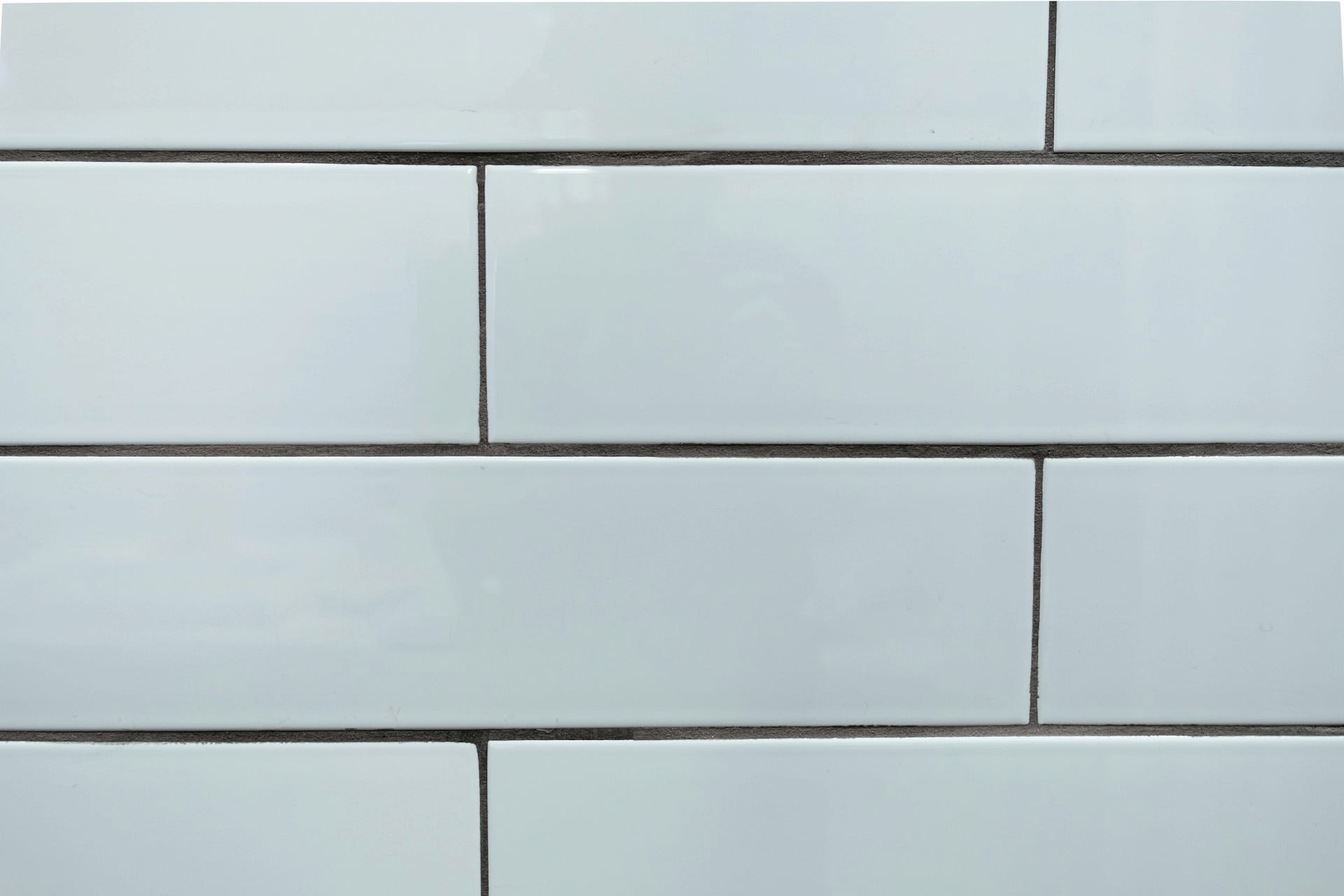
- Core characteristics: Crisp visual definition and dirt-hiding capability
- Best for: Modern farmhouse kitchens and industrial-style showers
High-contrast options, like dark gray grout or black grout, create a dramatic contrast with white subway tiles, emphasizing clean lines and adding definition to the tile pattern. For many spaces, darker grout creates a more dramatic effect by starkly highlighting the tile design and often making the space feel more enclosed.
Darker grout also hides dirt and grime better than lighter options, making it practical for high-traffic areas. That said, when using a contrasting grout color, it has to fit the overall look, and it usually fits in better with a more industrial or modern aesthetic. In addition, the tile must be laid precisely; any imperfections will be more visible with contrasting grout.
Grout Color Option 4: Accent with Colored Grout
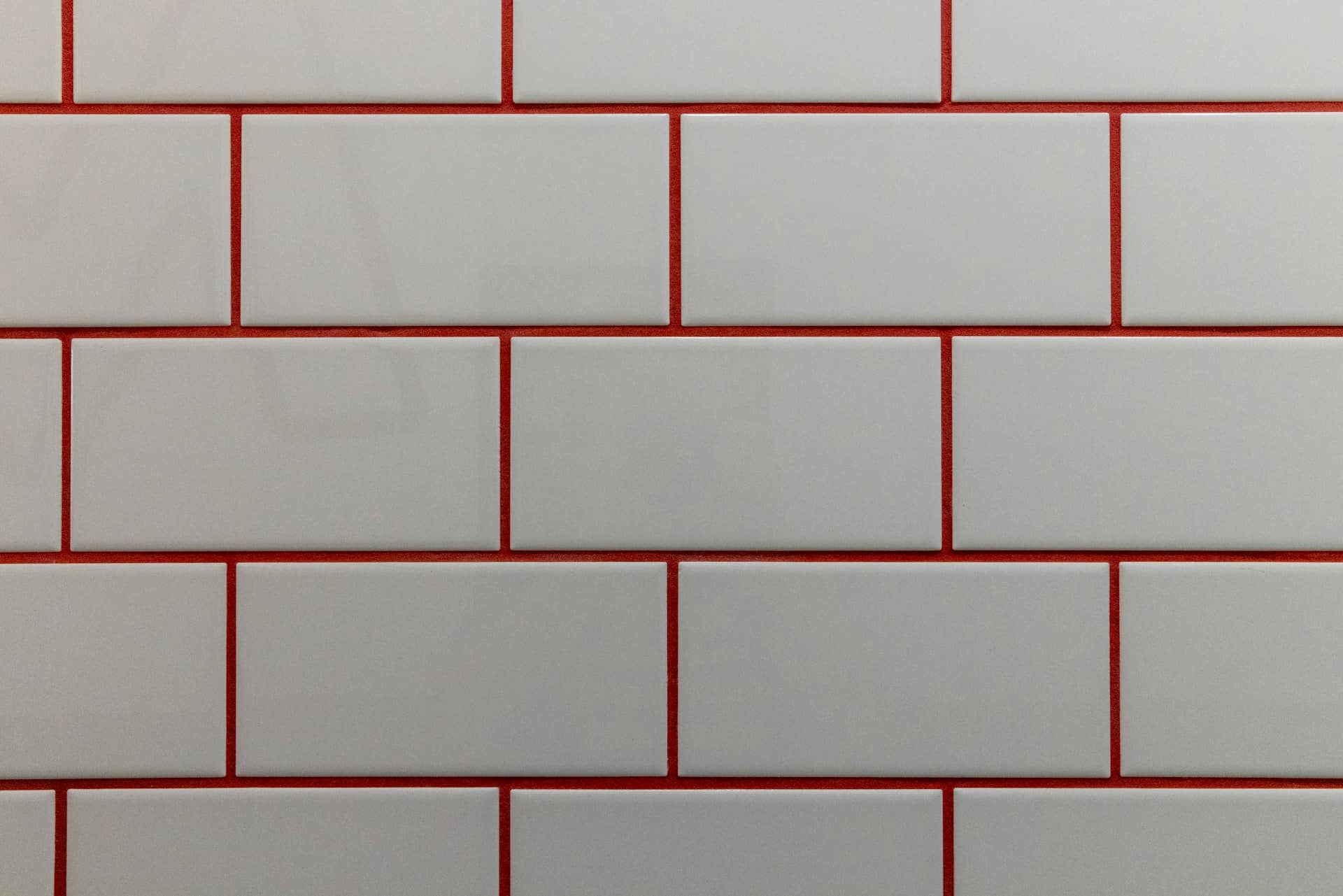
- Core characteristics: Creative expression and unique focal points
- Best for: Laundry rooms, kids’ bathrooms, or artistic feature walls
Although it’s used less often, colored grout can make bold statements in accent areas such as small bar backsplashes or children’s bathrooms. Blues, pinks, and even glitter-based color schemes can add whimsy and lightness to a space with a unique personality.
Why Is Grout Necessary?
Grout serves several crucial purposes, including providing structural support, protecting against moisture, and enhancing the overall design of tile installations.
Grout locks the tiles together and protects the edges from chipping while keeping them from shifting even as a house settles. In addition, a properly installed and sealed grout prevents water from seeping beneath tiles, protecting against mold, mildew, and subfloor damage. And as I’ve already covered, grout contributes to the overall aesthetic when using white subway tile.
What Are the Types of Grout?
When choosing grout, you’ll typically select from three common options:
- Unsanded grout: Unsanded grout is smooth and free of sand particles, resulting in a polished, seamless finish. It is better suited for narrow grout lines (typically under 1/8″) and creates a smoother appearance.
- Sanded grout: Sanded grout includes fine sand particles that add strength and durability. It is generally used for wider grout lines (1/8″ or wider) and offers a more textured finish.
- Epoxy grout: Epoxy grout is a two-part system composed of resin and hardener, making it highly resistant to stains, chemicals, and moisture. Another benefit is that it does not require periodic sealing. As epoxy grout is the most durable and stain-resistant option, it is best in high-traffic and high-moisture areas.
How Do You Clean and Maintain Grout?
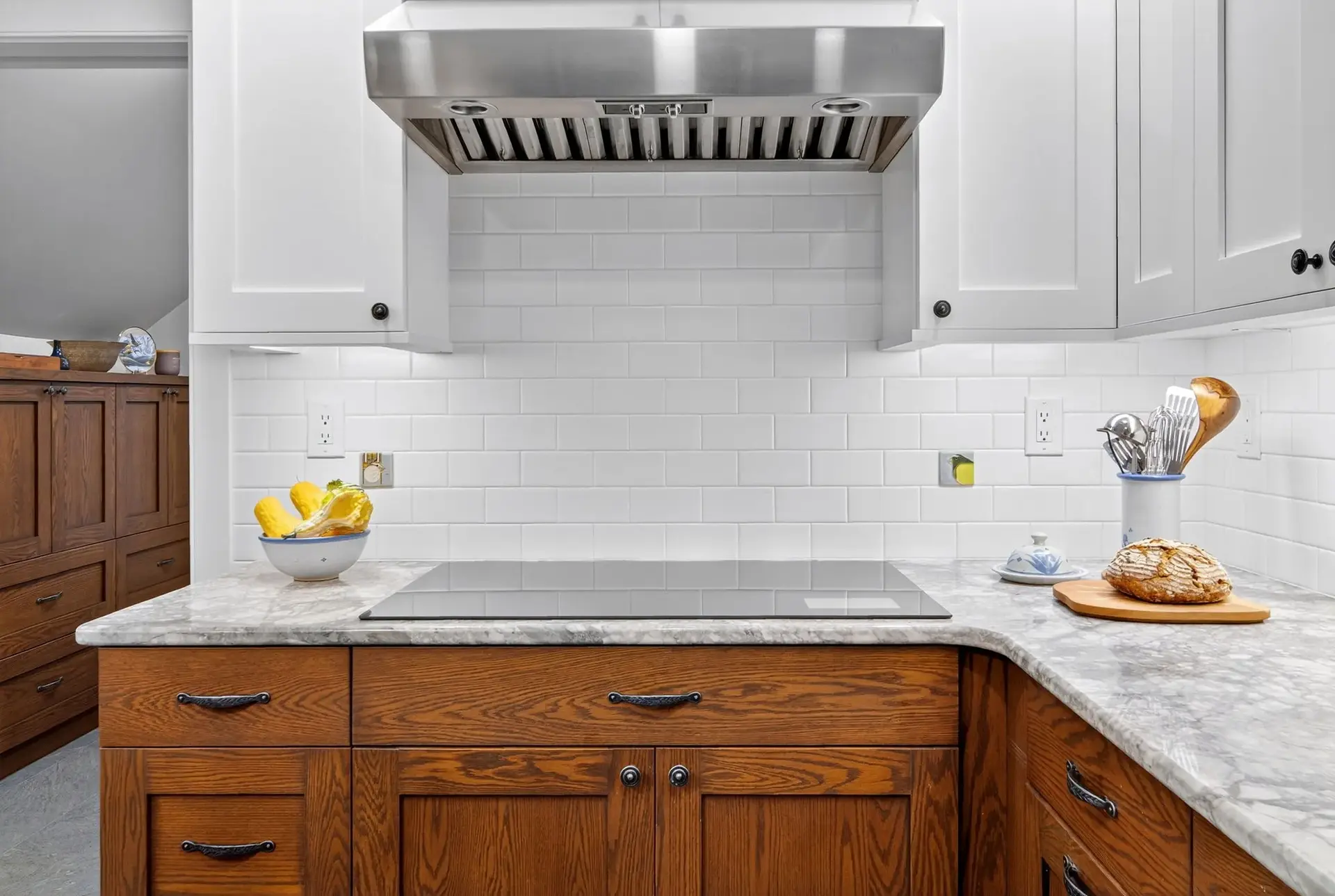
No matter your final decision about the best grout color, regular sealing and proper upkeep keep your subway tile looking fresh and durable over time.
For routine maintenance, wipe down grout lines weekly with a pH-neutral cleaner as this will keep surface grime from becoming embedded. When deep cleaning is necessary, scrub gently with a soft-bristle brush and a mixture of baking soda and water, strictly avoiding harsh acids or wire brushes that could erode grout over time. Finally, you should apply sealer around once per year. Using a quality sealer and reapplying it as needed can help protect grout lines from moisture, stains, and everyday wear.
The Best Design for Your Remodel
For your remodel, no matter what space you’re upgrading, the right grout color for any tile job should work in harmony with the tile, whether it’s creating a seamless, monochromatic effect or a more defined, contrasting pattern. And even further, the tiled area should fit with the surrounding colors and design elements to foster the look and feel that you’re seeking in your dream home.
At Upscale Remodeling, our in-house design team is dedicated to helping you get these decisions right. As a design-build firm, our designers work hand in hand with our construction team, allowing us to leverage decades of experience to customize the best result for your home.
If you’re thinking about a remodel, we’d love to meet with you and explore what we can achieve together. You can learn more about us on our website and contact us today to schedule a consultation.