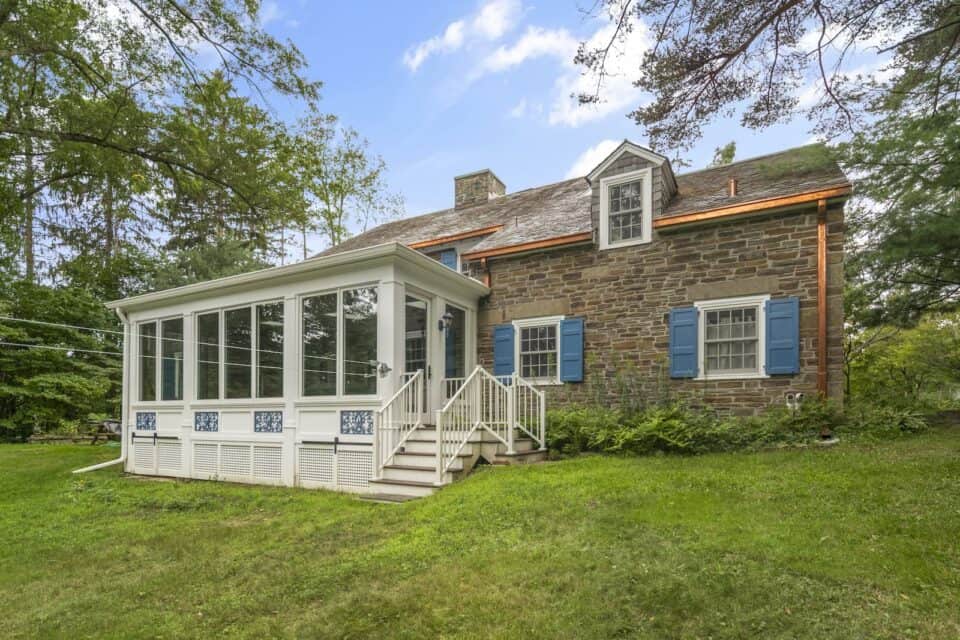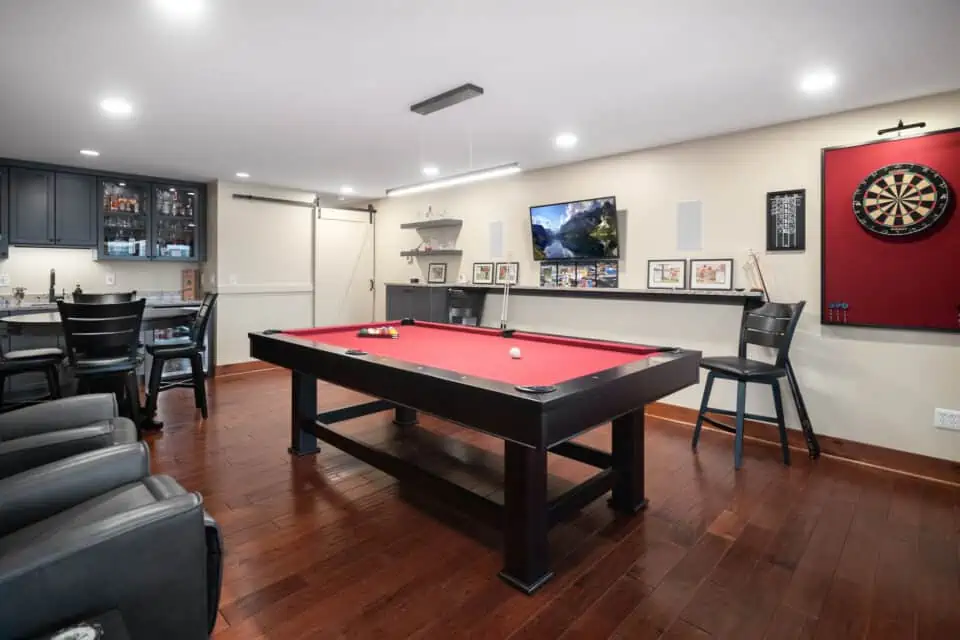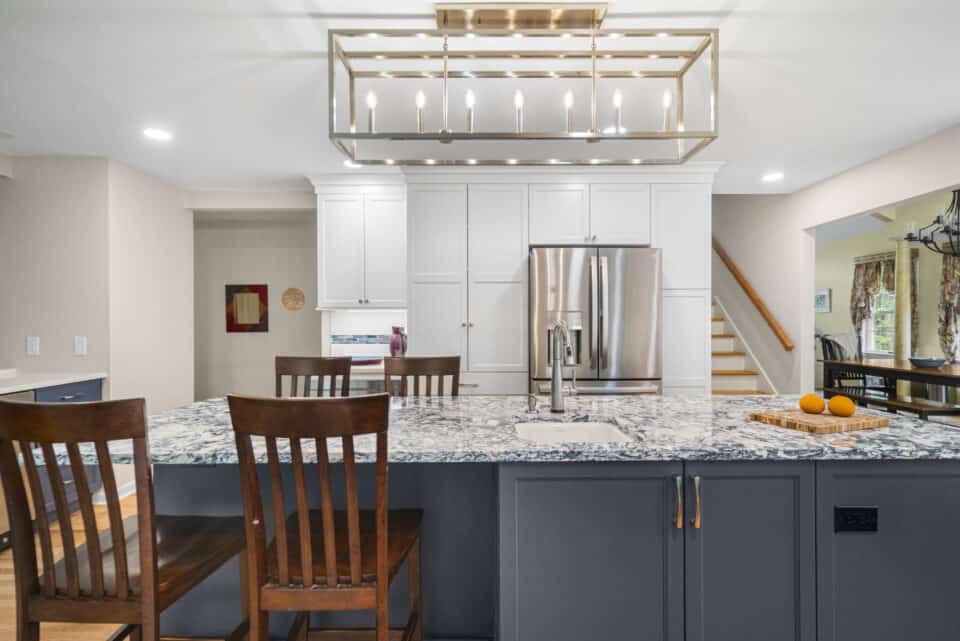


Often, homeowners know that they want to upgrade part of their house, but they get stuck in the process of converting their ideas into a detailed design and actionable construction plan. Too often, this roadblock prevents people from getting the most out of their home.
Residential designers provide essential services to overcome that roadblock and bring a home remodel to life, ensuring that both functionality and interior design harmony come together beautifully. They work closely with clients to understand their needs and design style, and then they create a project plan that meets high standards for aesthetics and functionality.
In this post, I’ll walk through the details of residential design and how the roles and responsibilities of residential designers differ from those of architects and interior design professionals. I’ll also go over how a residential designer is involved in the design-build remodeling process and how to identify a high-quality residential designer.
What is Residential Design?
Residential design is the process of planning and developing the look, feel, and functionality of a home. It can be a component of home remodeling or new construction.
Effective residential design considers the flow between rooms and how people move through residential spaces, ensuring comfort and function in everyday living. It also encompasses safety, which is an overlooked component of many building plans.
Is Residential Design the Same as Interior Design?
Some people use the terms residential design and interior design synonymously. These roles are very similar, but they aren’t exactly the same. While both involve developing plans for the best use of space and materials, there are a few ways that they are distinct:
- Residential design does not focus exclusively on interiors since it can also consider exterior components of a home
- Interior design is not limited to residential buildings and can be applied to commercial structures
Whether the focus is on interior design updates or whole-home planning, professionals must tailor their approach to fit unique residential spaces and client expectations. Examples of areas of emphasis include kitchens and baths, green building, accessibility, and interior decoration.
What Are the Key Responsibilities of a Residential Designer?
While the exact concepts and plans always vary based on the specific project, a residential designer’s overarching responsibilities include:
- Understanding a client’s needs, preferences, and design sensibilities
- Planning and designing interior and exterior spaces in accordance with the client’s goals
- Ensuring that the design is functional and safe
- Adapting the design as necessary to meet the client’s space, choice of materials, and budget
- Preparing a final design plan that meets building codes and enables a transition to the construction phase of the project
In addition, some residential designers offer a combination of additional services, such as working with suppliers to acquire materials or acting as a project manager to oversee contractors until the work is complete.
How Are Residential Designers Different From Interior Designers and Architectural Firms?
There is overlap between the work of residential designers, interior designers, and architects, but there are also notable differences between them.
Residential designers, also called building designers or home designers, specialize in space planning and consider the full scope of a project, including a home’s interior and exterior. They help determine the layout of the house, the flow between rooms, the exterior appearance, and how the building integrates with its surroundings. They also know about building regulations and construction methods.
Interior designers focus primarily on spaces inside a building. Their expertise lies in creating functional and aesthetically pleasing environments within the existing structure, which sometimes involves layout changes. They may also be involved in selecting furniture, finishes, colors, lighting, and decorative accessories. Interior designers can work on residential or commercial projects, often contributing to sustainable design strategies that minimize waste and maximize comfort.
Architects are qualified to design a wide range of structures, not just residential buildings. Their training and expertise extend to commercial buildings, institutional facilities, and other complex projects. They have a deep understanding of structural elements and are licensed to practice architecture. In situations requiring substantial structural work, such as relocating load-bearing walls, it may be necessary to have the review and approval of a licensed chief architect and often a structural engineer.

Who Actually Designs Homes?
The perception is that architects design most homes in the United States, but the truth is that most homes are designed by a residential designer or are built from existing plans, which are sometimes modified slightly by a draftsperson or designer. It’s difficult to know the exact percentage of American homes that are architect-designed, but estimates put it at between 1 percent and 2 percent. Residential designers do the bulk of custom home and remodeling design work in the U.S.
Are There Certifications for Residential Designers?
Residential design professionals are not required to have a specific license or certification. There is also no certification that is universally accepted as the best for people in this field.
Instead, there are a range of voluntary certifications that reflect certain training and work experience to meet the standard set for best practices in different aspects of residential design. Some examples of these include:
- Certifications from the National Kitchen and Bath Association (NKBA), such as the Certified Kitchen & Bath Designer (CKBD) and Certified Living in Place Professional (CLIPP) certifications
- Certifications from the American Institute of Building Design (AIBD), including the Certified Professional Building Designer (CPBD) certification
- Various certification programs from the National Council for Interior Design Qualification (NCIDQ) and the National Association of Home Builders (NAHB)
When Should You Hire a Residential Designer?
You should consider hiring a residential designer for virtually any type of home construction or remodeling project that is anything beyond a simple face-lift. Whether you’re looking to work within your existing floor plan or change the placement of walls and piping, a residential designer can help guide you through the steps required to create a comprehensive and tailored design for your home.
Do You Need an Architect to Design a Remodel?
For most projects, you do not need a chief architect to draft the plans. A residential and professional interior designer can handle most, if not all, of the tasks required to develop the project plan for home remodeling.
That said, there are circumstances that call for a certified architect and/or a structural engineer. For instance, a home addition to add a full second story or major changes to load-bearing walls may need to involve an chief architect or structural engineer who can stamp the design as structurally sound.
Again, there is a misconception that architects must be involved in any major structural change to a home, but the reality is that these changes are usually designed by a residential designer who then sends the plans to a structural engineer partner to review the plans, calculate loads and stresses, and ultimately “stamp” the plans to show the permitting authority that the design is sound. In fact, many architects, while trained to handle some of these tasks themselves, will often utilize the services of a structural engineering firm, just like a residential designer would.
Residential Designers and the Design-Build Process
The design-build approach to home remodeling integrates the entire project, from design to construction, under one contract with a single firm. Most design-build firms have a designer on staff who can work closely with homeowners to define their vision, establish their goals, and develop a detailed design.
When working with a design-build firm, the designer can collaborate with the construction team from day one, enhancing the quality of the design and enabling a seamless transition to actually working on your home.
This model is distinct from the traditional design-bid-build approach, which requires homeowners to first hire a designer and then look for and hire a contractor to implement the design.
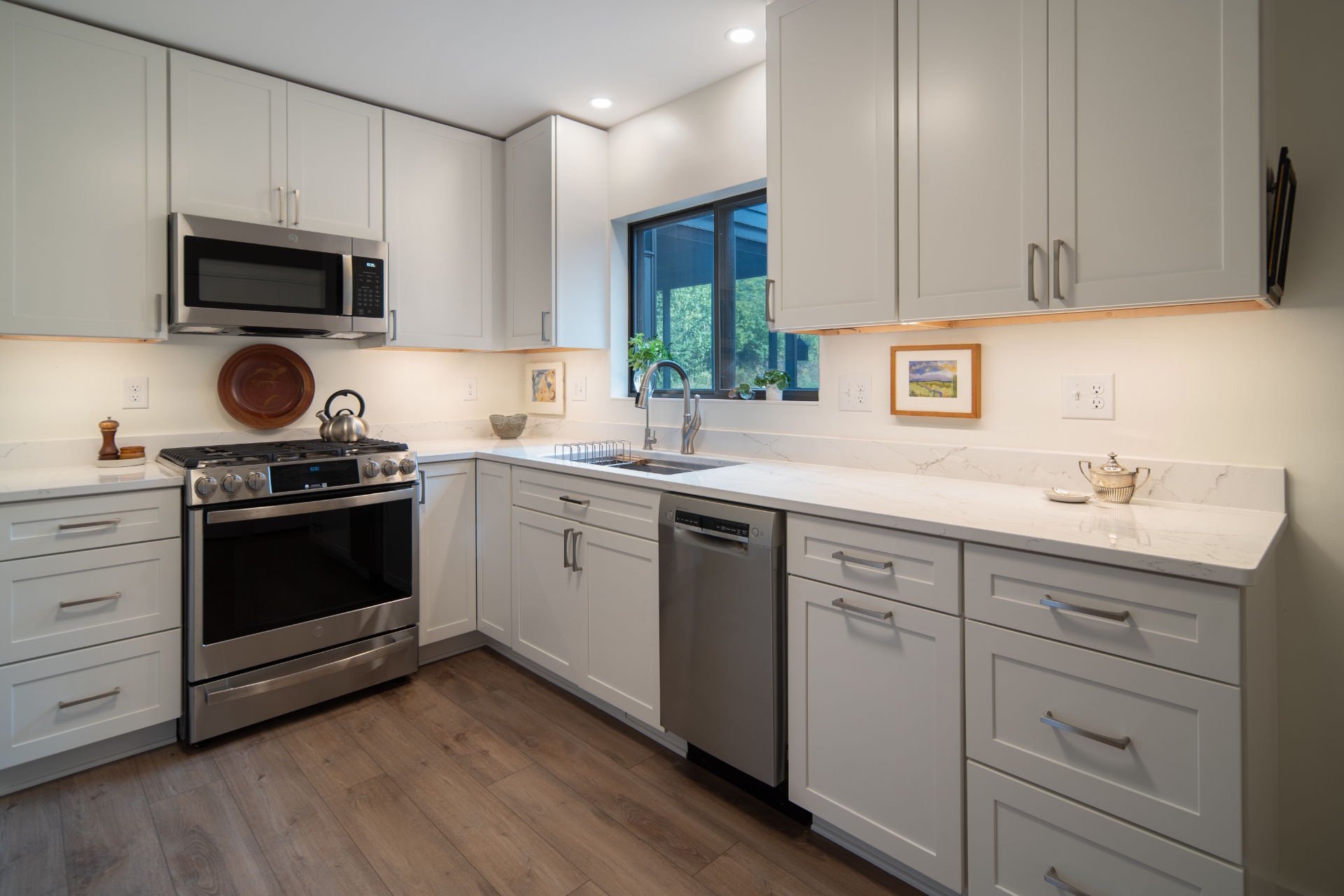
Finding the Right Residential Designer for Your Project
Hiring the right team, from the design firms out there, with an experienced, professional residential designer can make all the difference in your home remodeling project.
As a starting point, you can ask family, friends, and coworkers for recommendations of designers or design-build firms that they’ve worked with. You can also do research using online resources, including ratings and reviews, to find local design firms and service providers.
Look for a designer who has work experience with design projects similar to yours, especially those that align with your project budget and personal style. Review their portfolio and ask for references from their previous clients. You can also ask if they have certifications or other qualifications that speak to their knowledge and ability.
When you meet with them, inquire about their design process and keep an eye out for other elements that reflect on how they would be as a partner, such as their listening and communication skills.
Residential Design Services in the Ithaca Area
Upscale Remodeling is a design-build firm that has been serving the Ithaca community for more than three decades. We have an experienced residential designer on staff whose meticulous work drives the quality of our projects.
We would be excited to learn about your remodeling plans and how we can contribute to your dream home. You can see examples of our work on our website, and we invite you to visit our design center to get ideas and inspiration. And if you’re ready to schedule an appointment, please don’t hesitate to get in touch.