

In this article, I’ll walk you through some of the special considerations that are specific to a basement bathroom remodel. From maximizing space to selecting moisture-resistant materials, you’ll learn how to plan a basement bathroom that complements your style and meets your practical needs. Get ready to transform your lower level into a luxurious retreat!
Key Takeaways
- Assess your basement’s existing plumbing, low ceilings, and natural light before starting a bathroom remodel
- Make intentional design decisions that help bring out the best of your basement bath
- Choose space-saving fixtures, durable and moisture-resistant materials, and a well-planned layout
- Add luxury touches like high-end fixtures, custom built-in vanities, and spa-like features
- Obtain the necessary permits for a safe and compliant remodeling of a basement bathroom
Evaluating Your Basement Space for a Bathroom Remodel

Begin by carefully assessing your basement space. This is a crucial first step in any remodel project, as it lays the groundwork for your design decisions. After all, a successful remodel is not just about aesthetics; it’s about creating a functional space that suits your needs and lifestyle. It’s important to assess the basement floor for drainage issues and potential modifications, such as creating the necessary slope for waste disposal.
Three key factors that often factor into a bathroom remodel are:
- Plumbing needs
- Ceiling height
- Natural light
Below ground plumbing presents unique challenges, including drainage and ventilation, which can add complexity and potential costs to your project.
Assessing Below Ground Plumbing Needs
When it comes to basement bathrooms, whether you’re adding or remodeling one, a huge factor in the cost and complexity of your project is plumbing. The first rule of thumb is to work with what you have, if it’s at all possible. The existing plumbing layout, including sewer lines and water lines, can be a major determinant of where your new basement bathroom will be located. Keep a keen eye out for drains, cleanouts, and vent pipes, and try to figure out where the main water supply lines are. Often, installing a basement bathroom requires breaking up the concrete floor to run drainage lines, which can be a significant undertaking.
This is important, so let me repeat: The closer you can place your bathroom to your existing plumbing connections, the more you’ll save. It can mean the difference between a relatively simple and inexpensive cosmetic upgrade or sending in a demolition crew with jackhammers to rip out your foundation floor.
Proper planning and professional assistance in laying out drain pipe lines are crucial to avoid future plumbing issues.
If you are putting in a new bathroom, try to locate it right under a bathroom upstairs so you can tie into the same plumbing stack. Upstairs bathrooms are ideal for this kind of work.
Utilizing existing drain pipes can significantly reduce installation and labor costs.
The same goes for updating an existing bathroom: The most cost-effective approach is almost always to keep the same general layout.
Connecting to the main sewage discharge line and ensuring proper installation is essential for compliance with plumbing codes.
Additionally, consider the depth of the sewer line, as it can impact waste disposal methods and may require additional systems, such as an ejector pump system, if the sewer line is not deep enough.
Overcoming Low Ceilings
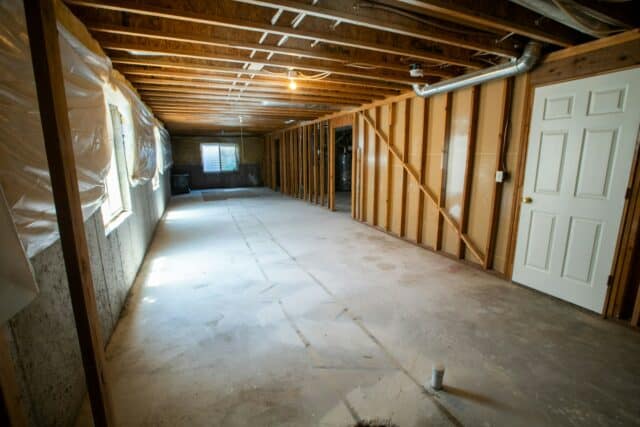
Bathroom design in a basement can present challenges, particularly with low ceilings. If possible, look into rerouting any ducts or pipes that hang below your ceiling joists.
You can also use design tricks that help to create the illusion of height. One such trick is to draw the eye upwards using vertical lines. This can be achieved by using vertical wall tile.
Incorporating light and bright colors can make a low ceiling seem higher. And don’t forget about lighting; a well-planned layout of recessed lighting can counteract the impact of low ceilings and make your basement bathroom look brighter and more inviting.
Maximizing Natural Light
Natural light is a prized commodity in any living space, but it can be a bit challenging to come by in when adding a basement bathroom. However, with a bit of creativity, you can still create a bright and airy basement bathroom.
One way to bring in natural light is through windows. If regular windows are not feasible, consider installing clerestory-style windows. These windows are high on the wall and don’t require much wall space. Obviously, if your basement is completely below grade, none of the above options will work, but you can likely still put in a window well.
Designing a Functional Layout for Your New Basement Bathroom
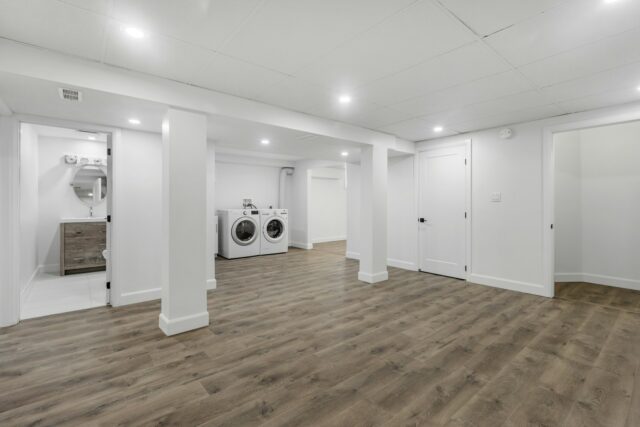
The layout you choose should not only reflect your personal style but also accommodate your needs and the constraints of your space. It almost always makes sense to work with a professional interior designer or design-build firm to plan your layout. Bathrooms are generally tight spaces that must be highly functional, and designers know best how to make the most of the limited square footage of a small basement bathroom and maximize ergonomics. Planning the layout carefully to avoid drainage problems, including the positioning of the shower drain and proper installation of the shower pan, is crucial.
Additionally, careful planning of the toilet drain line is essential to ensure proper alignment with existing plumbing systems, which helps in avoiding drainage issues.
Space-Saving Fixtures
Space is often at a premium in a basement bathroom. Consider space-saving fixtures that maximize your floor space. A corner sink or a wall-mounted toilet can help make an especially tight space workable.
A common rookie mistake I see is homeowners trying to cram regular-size fixtures into a tiny space. Downsize your fixtures if need be, but try to never skimp on the space around and between your fixtures. Work with a designer who is well versed in industry standard layout guidelines.
If you have a small space to work with and you’re thinking about installing a vanity, opt for a compact design such as a floating vanity or a slim sink vanity. Depending on how you plan to use your basement bathroom, you may not need a full vanity with lots of drawers because your storage needs may be limited.
Creating a Half Bath Option for Your Basement Bathroom
If your basement space is limited, or if you don’t require a full bathroom, consider creating a half bath. A half bath typically consists of a toilet and a sink, making it a great space-saving option. When planning for a half bath, ensure you have enough space for the fixtures and for comfortable use. If you don’t have a basement bedroom, you may find that a powder room is perfectly sufficient for your needs.
Remember, the goal of interior design is to create a functional and comfortable small space, regardless of its size. Many of the best basement bathroom ideas focus on making a small basement bathroom feel intentional through smart layouts and fixtures scaled appropriately for the space.
Selecting Durable and Moisture-Resistant Materials
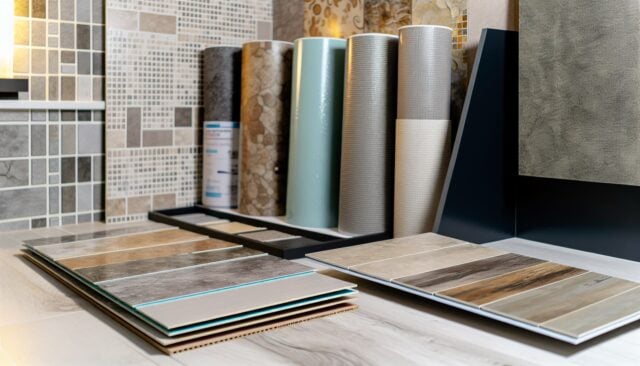
Selecting appropriate materials for your basement bathroom remodel is fundamental. They not only determine the durability of your bathroom but also contribute significantly to its overall style and feel. In a basement bathroom, it’s essential to select materials that are durable and moisture-resistant, as basements are prone to high humidity and potential water exposure.
Tiling for Basements
Tiles are a popular choice for basement bathrooms due to their durability and water resistance. Consider using ceramic or porcelain tiles for your flooring. These tiles are tough against stains, moisture, and wear-and-tear, making them perfect for basement bathrooms. As I mentioned above, a vertical tile pattern can help a low ceiling feel higher.
Wall Choices That Combat Moisture
In a basement bathroom, you really have to be careful about preventing mold and mildew. Concrete foundation walls can remain cool throughout the year, and condensation can form behind poorly designed wall systems, which can eventually lead to rot. The situation is made worse if steam from a shower is not properly ventilated.
Consider moisture-resistant options, such as cement board or other tile backer boards designed for wet areas. These materials can withstand moisture, preventing mold and mildew growth. Cement board is a particularly good choice for areas exposed to a lot of water, such as the shower area, as it provides a solid base for tiling and is not affected by water. A properly installed shower pan beneath the tiled surface is equally important, as it directs water toward the drain and protects the surrounding structure from long-term moisture damage.
Adequate insulation and waterproofing of your foundation walls, as well as a functioning bathroom ventilation fan, can help keep your walls intact and indoor air healthy. Good insulation also helps keep the space warm, which is especially welcome when you’re stepping out of the shower in January!
Flooring That Stands the Test of Time
The floor of your basement bathroom has to withstand a lot of wear and tear, so it’s crucial to choose a flooring option that is durable and waterproof. Tile flooring is a popular choice due to its water resistance and durability.
One of the challenges you might face is breaking up the concrete floor to run drainage lines. This process often requires professional help to design and install the plumbing layout effectively, and DIYers might encounter unexpected difficulties if they are unaware of the need for such significant floor modifications.
Luxury vinyl planks are another excellent option. They are completely waterproof and can handle high humidity and potential water exposure without getting damaged.
Color Schemes and Lighting Designs That Transform
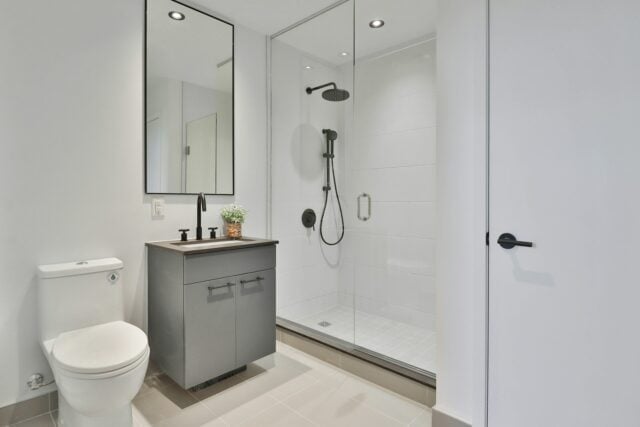
Color schemes and lighting designs can make a significant impact on the overall ambiance of your basement bathroom. The right paint color can brighten up your bathroom, making it look more spacious and inviting, while a well-designed lighting plan can enhance the bathroom’s functionality and aesthetic appeal.
Let’s delve deeper into each of these elements.
Paint Color Magic
When it comes to paint color for your basement bathroom, the sky’s the limit. However, light neutrals or soft pastels are particularly effective at creating a bright and spacious feel. These colors reflect more light, making your bathroom look larger and more inviting. Choosing a color that complements your tiles and fixtures can also help create a cohesive and polished look.
Layered Lighting for Ambiance and Functionality
Lighting is another crucial element in bathroom design. Layered lighting, which involves using different lighting techniques to create a well-balanced and aesthetically pleasing lighting plan, is particularly effective. This involves a combination of ambient, task, and accent lighting.
There are three types of lighting that you should consider for your bathroom:
- Ambient lighting provides overall illumination.
- Task lighting focuses on specific areas such as the vanity or shower.
- Accent lighting adds drama and style.
Luxury Touches to Elevate Your Basement Bathroom

Taking your basement bathroom from humdrum to luxurious is easier than you might think. It’s all about the details—from high-end plumbing fixtures and custom vanity and storage solutions to spa-like features. These elements can transform your bathroom from a basic basement amenity into a luxurious retreat.
However, adding an upscale bathroom can significantly increase costs, especially if you opt for higher quality materials and professional installation.
High-End Plumbing Fixtures
Investing in high-quality or new plumbing fixtures is an excellent way to add a touch of luxury to your basement bathroom. These fixtures not only enhance the functionality of your bathroom but also contribute to its overall aesthetic appeal.
Custom Vanity and Storage Solutions
A custom vanity and well-planned storage solutions can add both functionality and style to your basement bathroom.
As I mentioned above, if you don’t have a basement bedroom, you may be able to incorporate less built-in storage to your bathroom, saving a little money and keeping the space open and airy. However, if you want to add a touch of luxury to the modern space, a well-designed custom vanity is always a nice focal point.
Spa-Like Features
Creating a spa-like atmosphere in your basement bathroom is a great way to make it feel like a luxurious retreat. Consider installing a deep soaking or clawfoot tub, a rainfall shower head, or a steam shower for a truly luxurious and relaxing experience. Other spa-like features to consider include heated towel racks, underfloor heating, or even a relaxing sauna.
Navigating Building Codes and Permits

Remodeling a basement bathroom often involves dealing with building codes and permits. These regulations are in place to ensure that the work is done safely and meets the local building standards. A basement bathroom remodel is no different than any other home renovation project: You must adhere to building codes, and you will most likely need permits and inspections, depending on the scope of work and local requirements.
Additionally, installing new plumbing systems in a basement bathroom can be complex and costly due to unique drainage challenges and the variability of plumbing systems from one home to another.
Understanding Local Regulations
Understanding local building codes and regulations is the first step in navigating the permit process. (Here in Ithaca, we refer to the New York State Building Codes.) These regulations can influence many aspects of your remodel, including:
- The minimum ceiling height
- The placement of fixtures
- The type of materials that can be used
- Energy code requirements
- The required permits and inspections
It’s important to familiarize yourself with these regulations before you start your project to avoid any potential issues down the line.
Remember, meeting these regulations is not just about complying with the law; it’s also about ensuring that your new basement bathroom is safe and comfortable to use.
The Permit Process Simplified
The process of obtaining a permit for your basement bathroom renovation can seem daunting, but it doesn’t have to be. Working with a reputable remodeling company is the most straightforward approach. In most cases, your remodeler will handle the paperwork and arrange for building department inspections on your behalf. This allows you to focus on the fun parts of your remodel, like choosing design elements and fixtures, while the professionals handle the technicalities.
Bathroom Decor and Finishing Touches
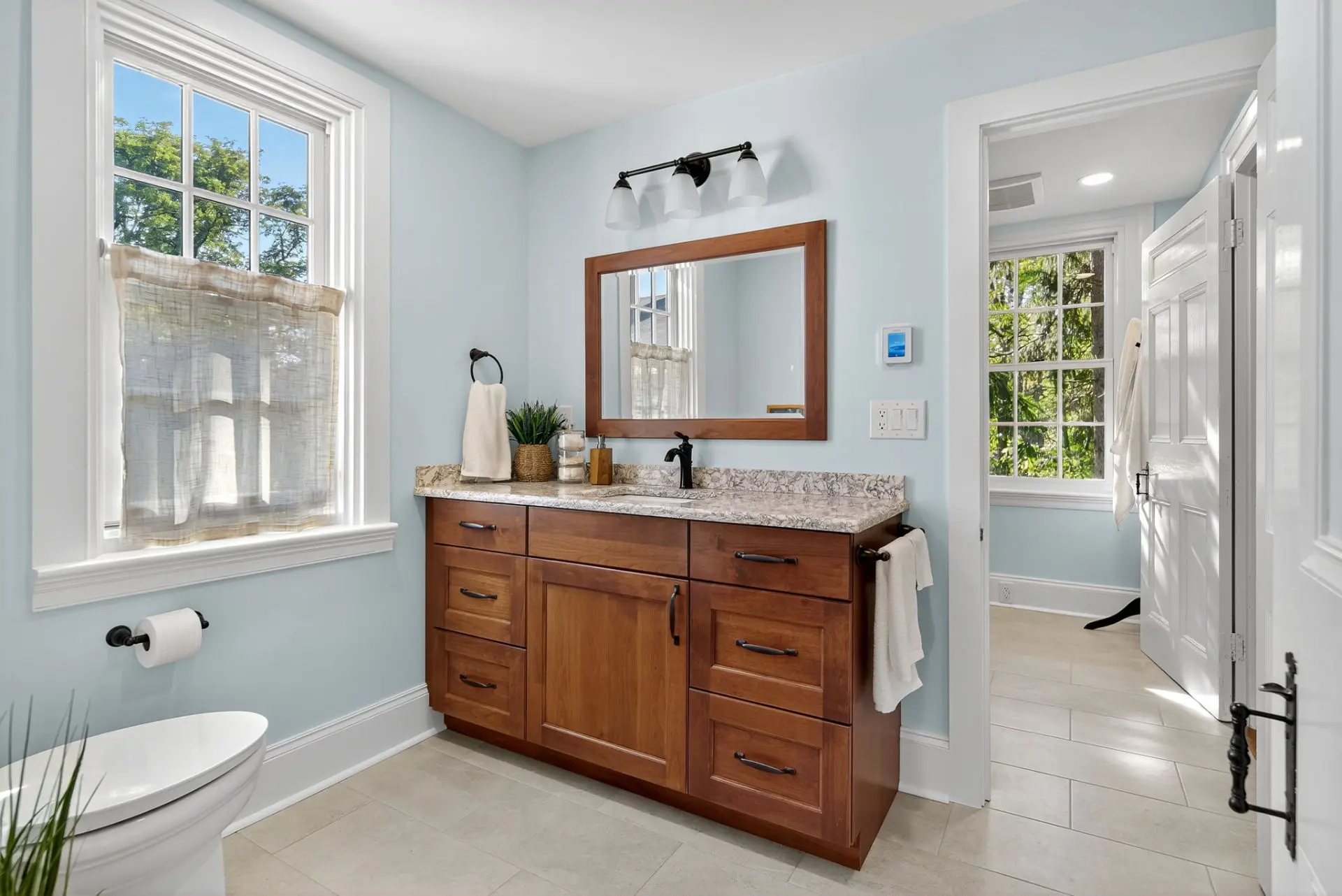
Now that we’ve covered the practical aspects of a basement bathroom re-do, let’s dive into the fun part: decor and finishing touches. These elements can add personality to your basement bathroom and tie all the design elements together.
Mirror and Glass Elements
Incorporating mirrors and glass elements can significantly enhance the aesthetic appeal of your basement bathroom. Mirrors are particularly effective at creating a sense of spaciousness and reflecting light, making your bathroom feel brighter and larger.
Glass elements, like a glass shower enclosure or glass glazing in doors, can also contribute to a more open and airy feel that helps the bathroom read as a clean, modern space rather than a dark utility room.
Stylish Accessories
The textiles and accessories you choose for your basement bathroom can add a touch of comfort and style to the space. Opt for moisture-resistant or washable fabrics, like wool or synthetic rugs. Accessories, such as natural, woven baskets and organizers, can help add an organic touch and keep the space tidy. If you want to add trendy patterns or colors, your accessories are the way to do it because they are much easier and less costly to replace than built-in features like tile and flooring.
Get Started on Your Basement Bathroom Renovation

Remodeling your basement bathroom is a rewarding project that can significantly enhance the functionality and aesthetic appeal of your lower level. From evaluating your basement space and designing a functional layout, to selecting durable materials and adding luxury touches, every step of the process contributes to the final result. Remember, a successful basement bathroom remodel is not just about aesthetics; it’s about creating a space that suits your needs and lifestyle. Whether you’re just starting to plan your remodel or you’re already in the thick of it, I hope you find these tips and ideas helpful and inspiring. Remember, with careful planning and a touch of creativity, you can transform your basement bathroom into a stylish and luxurious retreat that stands the test of time.
Frequently Asked Questions
Is it worth putting a bathroom in the basement?
In many cases, yes, adding a bathroom to your basement can increase your home’s value and provide convenience, but it can be a challenging DIY project. Adding a bathroom to a finished basement offers the convenience of having an extra bathroom for gatherings and can significantly enhance your home’s value. Talk to a professional residential remodeler and consider the costs and potential benefits before making a decision.
Additionally, having a bathroom in a newly finished basement can greatly benefit social gatherings and guest accommodations, making the space more functional and comfortable.
Can you put a bathroom in an existing basement?
Yes, of course! You can add a bathroom to an existing basement, but you will likely need to install new water lines, drainage lines, and electrical connections, and obtain a building permit. It’s essential to ensure that the work is completed according to code and approved by local building authorities.
When considering adding a bathroom to an unfinished basement, it’s important to focus on design planning and cost considerations. Utilizing existing plumbing can reduce expenses, and proper ventilation is crucial to prevent moisture issues.
How much does a basement bathroom remodel cost?
Costs vary by region of the country and by scope, but basement bathroom renovations tend to cost a similar amount to a bathroom remodel in any part of your home. You can download our Bathroom Remodeling Pricing Guide for some typical price ranges for the Ithaca, NY, area.