
Because of its functionality and appearance, bathroom tile has a timeless appeal. It can be incorporated into almost any aspect of bathroom design.
With so many applications and styles, though, choosing bathroom tile can feel overwhelming. Thanks to its popularity, tile comes in a wide range of materials, colors, shapes, sizes, and textures.
In this post, I’ll give an introduction to your options for tiling your bathroom walls. I’ll cover the main characteristics of bathroom tile, discuss where you can install it, and provide bathroom tile ideas that can help you envision the ideal design for your home.
Choosing the Right Bathroom Tiles
Choosing the right bathroom tiles can be a daunting task, but with a few considerations, you can make an informed decision.
First, consider the style and design of your bathroom. Do you prefer a modern style or a more traditional look? This will help you narrow down your options and choose tiles that fit your aesthetic.
An interior designer can help you choose the right bathroom tiles by leveraging their expertise in colors, textures, and patterns to create a visually appealing and functional space.
Next, think about the functionality of your bathroom. If you have a large family or plan to use the bathroom frequently, you may want to choose tiles that are easiest to clean. For a guest bathroom, appearance may matter more than ease of cleaning.
Finally, think about your budget and the maintenance requirements of the tiles. Some tiles, such as real stone, tend to require more maintenance than others, such as porcelain tiles. By considering these factors, you can choose the right bathroom tiles for your needs and create a beautiful and functional space.

Characteristics of Different Bathroom Tiles
When choosing tile material for your bathroom, you’ll find a huge range of options to choose from. Before shopping, it can be helpful to know about some of the key characteristics that differentiate tile products.
Tile Materials
Tile for bathroom walls comes in several materials that provide a combination of visual appeal, moisture resistance, and ease of cleaning. Some of the most common types of tile used for a bathroom wall include:
- Ceramic
- Porcelain
- Glass
- Natural stone
Marble tile is particularly appealing for its versatility in enhancing various bathroom aesthetics. It creates striking contrasts, complements natural veining, adds texture, and contributes to an elegant atmosphere while integrating with a mix of colors and finishes for a cohesive look.
Ceramic, porcelain, and glass are among the most popular choices. Stone has a special appeal but can be more expensive and require resealing to prevent moisture damage.
Tile Size
Tiles come in various sizes, ranging from small, dime-size tiles to large-format tiles that can be as big as 24 by 48 inches.
Smaller tiles create a denser, more compact look with more visible grouting. For example, small mosaic tiles can be used to create intricate, eye-catching designs. On the other hand, larger tiles typically provide a more seamless appearance.
Using large scale tile can enhance the overall aesthetic of spaces, particularly in bathrooms, by achieving a modern look while allowing other elements to shine.

Tile Shapes
Many bathroom tiles are rectangular, including the classic and ever-popular square tile. In general, square and rectangular tiles allow for easier installation and create clean lines for a dependably elegant bathroom aesthetic.
That said, other tile shapes are becoming more popular, especially in bathrooms with a contemporary design. These include:
- Hexagonal tiles
- Diamond-shaped, triangular, or other angular tiles
- V-shaped tiles meant for chevron patterns
- Curved or Arabesque tiles
Patterned tiles can also have a significant visual impact, enhancing color palettes and adding personality to the space. They vary in style from rustic farmhouse aesthetics to elegant, sophisticated appearances, making them a versatile choice for any bathroom design.
Tile Color and Design
The color and design of bathroom tiles can dramatically change your bathroom’s sense of style.
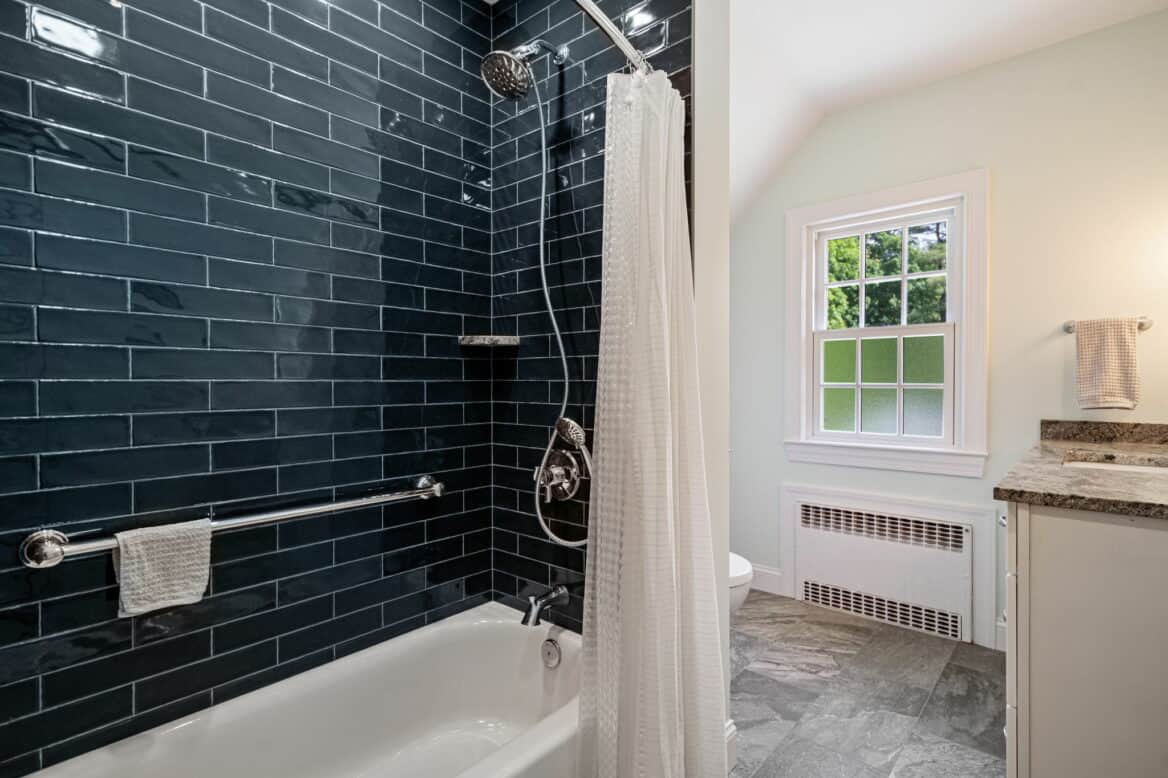
For a more straightforward look, you can pick bathroom tile with a solid color. To make a stronger statement, bold colors are a great choice. Lighter colors can add brightness to your bathroom, and jewel tones are becoming increasingly popular as a way to add an appealing but understated pop of color.
Textured tile can enhance both the aesthetic appeal and functionality of your bathroom. It creates a luxurious ambiance, provides traction for safety, and adds depth and artistic flair to your walls, significantly elevating the overall design of the room.
If you don’t want a solid color, you can pick out tiles with ombre or a mix of color tones. Another option is to choose tiles with a design, which can almost mimic wallpaper by creating a certain image or pattern on your wall. A creative tile design can give your bathroom its own personality and unique charm.
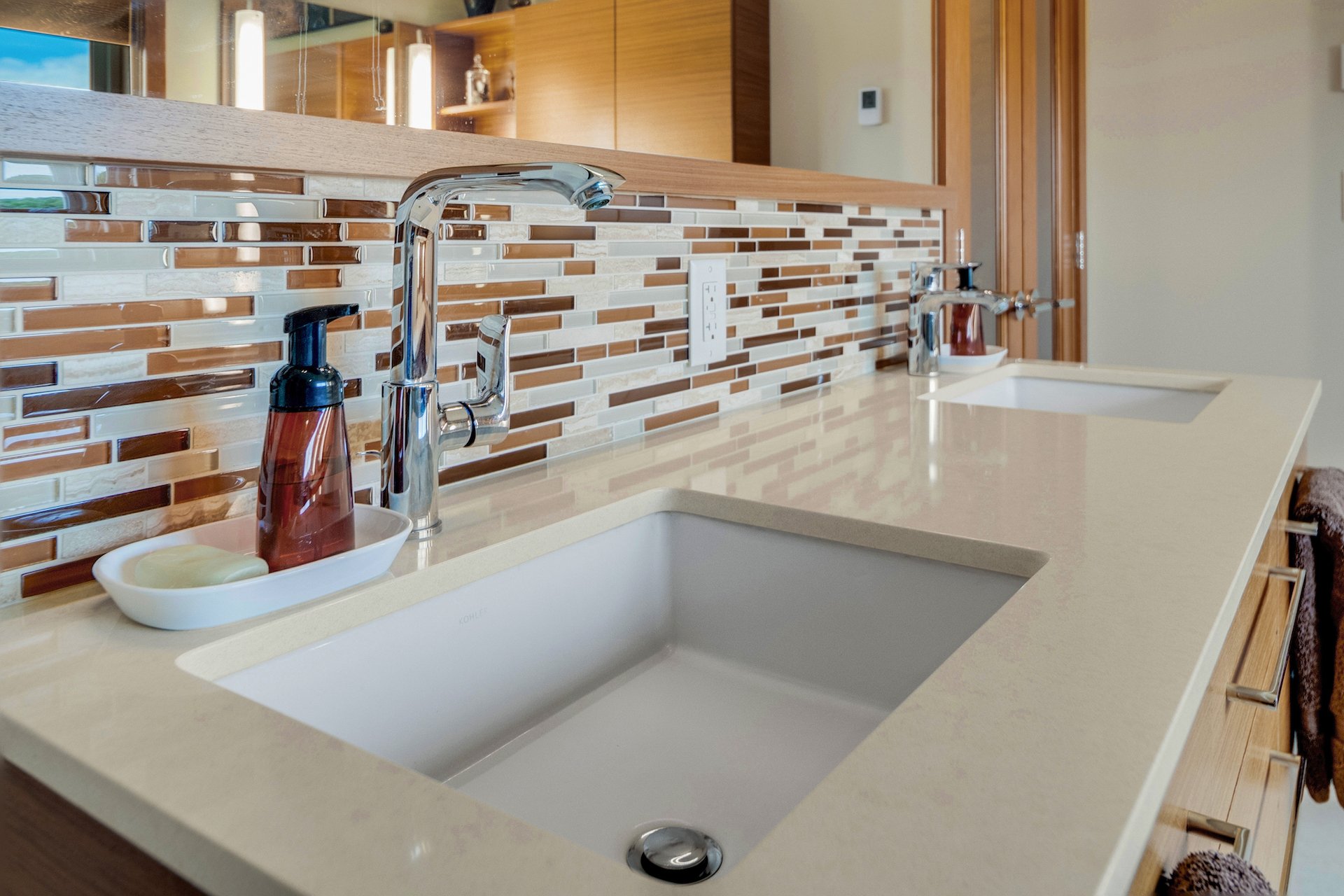
Colorful Options
Colorful bathroom tiles can add a pop of color and personality to your space. Consider using bold, bright hues like pink, blue, or yellow to create a fun and playful look. You can also use colorful tiles to create a unique and eye-catching accent wall or backsplash. For a more subtle look, try using colored tiles in a smaller area, such as a shower niche or a decorative border.
Neutral Options
Neutral bathroom tiles are a great choice for creating a calm and serene atmosphere. Shades of white, gray, beige, and taupe are popular neutral options that can complement a variety of bathroom styles. Consider using a neutral tile for the majority of your bathroom and adding a pop of color with a decorative accent tile or a bold piece of artwork.
Tile Texture
Regardless of its color or shape, tile has a texture that can affect its overall look.
Marble tiles, known for their luxurious texture and aesthetic appeal, can enhance the elegance of any space, particularly in bathrooms. Their dramatic veining and ability to pair beautifully with various finishes create a striking contrast.
For other tiles, a raised texture can create depth and shadow on the wall. Adding texture can also help tile have a finish that resembles another material, like wood, textile, brick, or metal.
A Note About Tile Sheen
A matte finish is used for a soft, non-reflective surface that generates a subtle, refined look. It provides a smooth texture with minimal glare, making it ideal for a modern aesthetic. In contrast, a glossy finish reflects light, making the wall look crisp and bright. Keep in mind that glossy tile is usually easier to clean but will also show water and soap spots quicker than matte tile.
Tile Installation Patterns
The tile pattern refers to the way that the tiles are arranged on the wall, which plays a major role in the tile’s appearance
Tile Offset Patterns
For example, most square tiles are installed with a basic grid pattern. With rectangular tiles, a popular pattern is a brick-like arrangement that staggers the placement of the tiles. The most common pattern is the 1/2 offset, where each row of tiles is shifted by one half the tile’s length. A variation that gives a slightly different look is the 1/3 offset pattern, where each row is shifted by a third of the length of a tile. Both of these approaches are common with subway tile.
Herringbone and Other Patterns
A herringbone pattern places the tiles in a zig-zag fashion, which often adds visual interest and a sense of motion or vibrancy. The same is true of chevron patterns that arrange tiles in an angled, V-shaped formation. Hexagonal tiles, especially small ones, can also be installed in a honeycomb pattern.
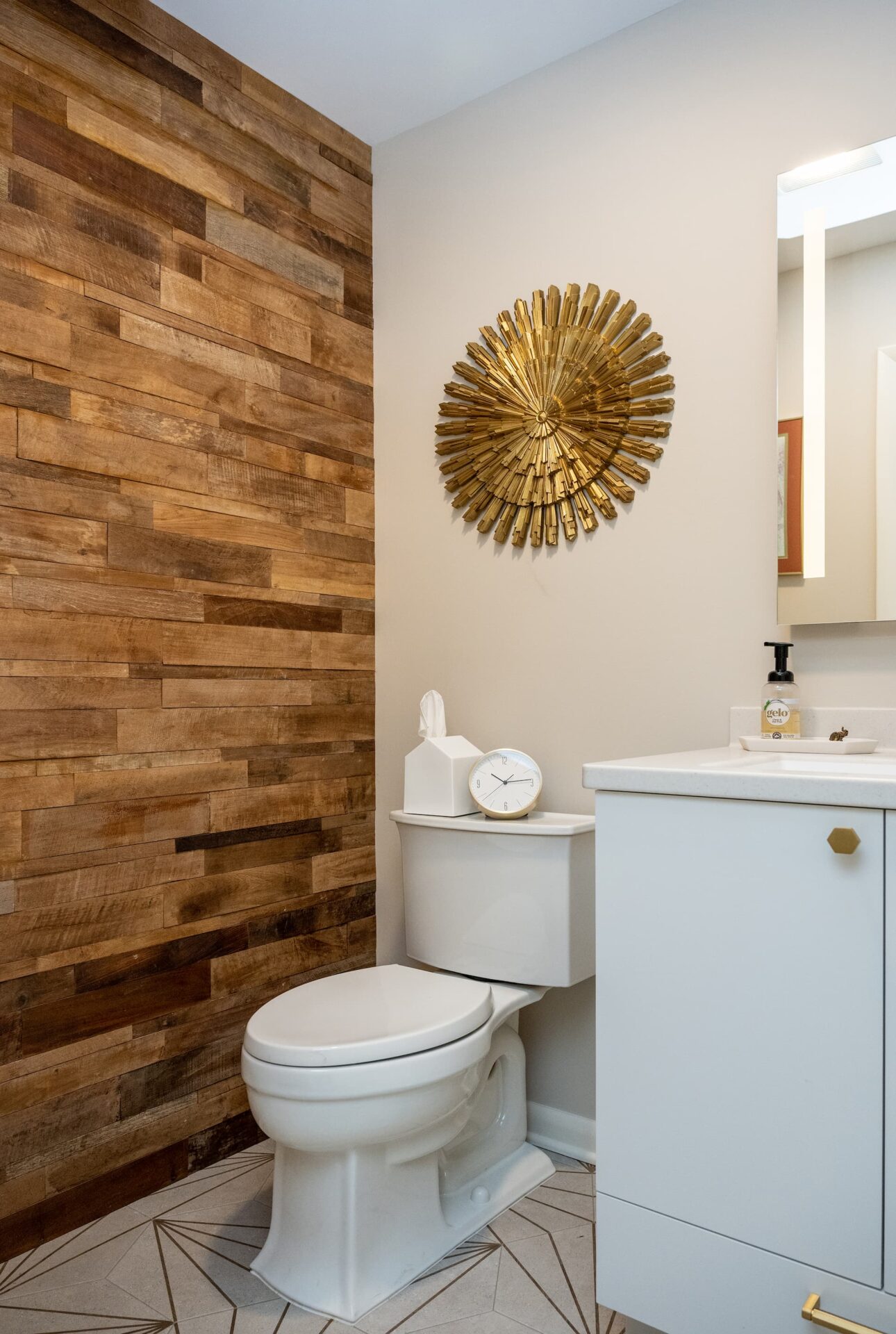
Tile Orientation: Vertical or Horizontal
In most cases, you have the option of deciding whether to orient the tiles vertically or horizontally. A horizontal layout is more traditional, but a vertical orientation can often help the space feel taller and more open.
Matching Tile on Floors and Walls
Using the same tile on different surfaces, such as floors and walls, can enhance the overall ambiance and style of the interior by promoting continuity and harmony among the elements.
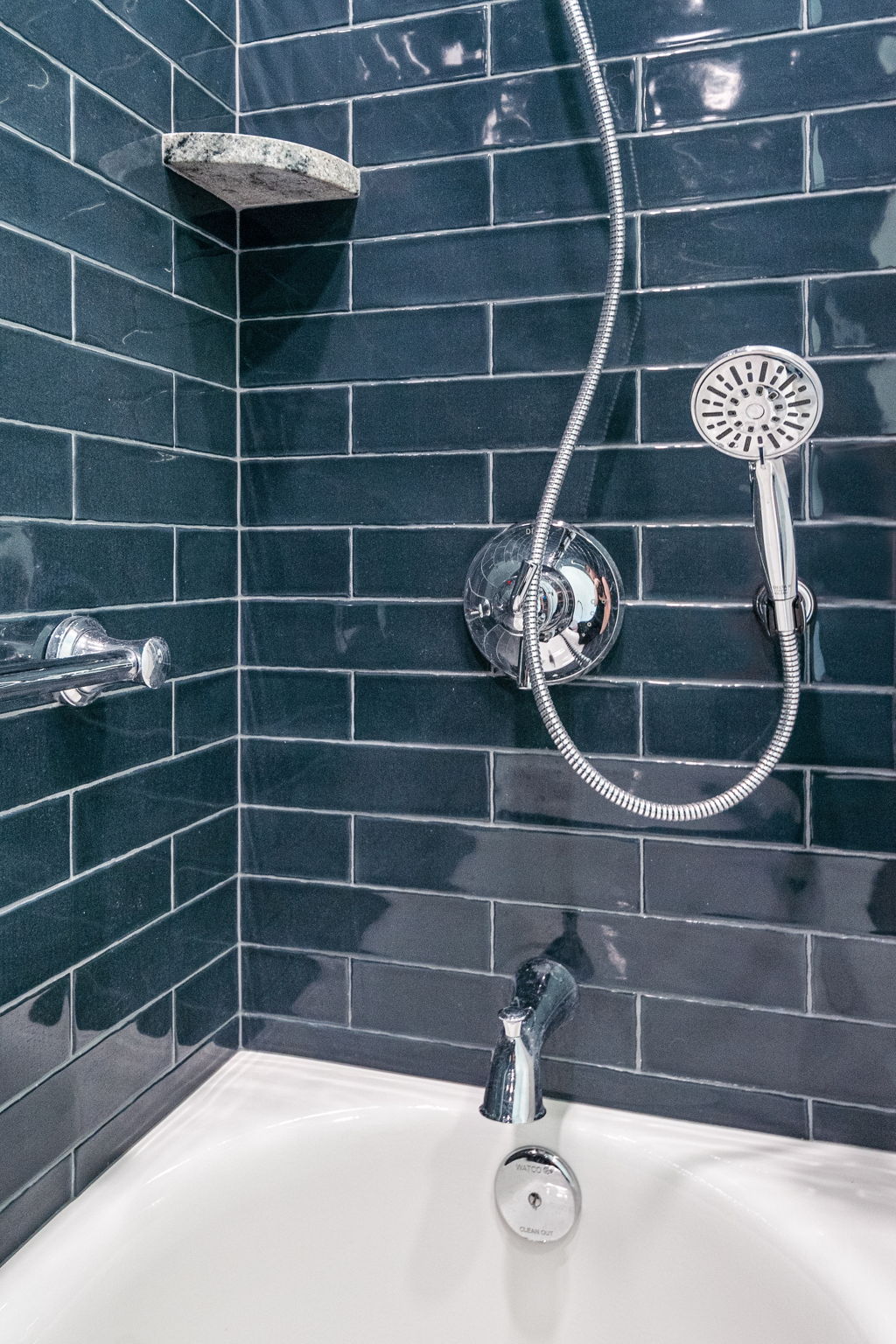
Grout
Another important component of your bathroom tile is grout. In terms of material, synthetic grouting can reduce the chances of mold growing between tiles on a shower wall. Ask your tile installer to use it. It may cost a bit more, but it is so worth it in the long run, saving you hours of cleaning and resealing.
Should Grout Match the Color of Your Tile or Contrast?
For color, you can opt for your grout lines to contrast with the tile color for a sharper effect, or you can choose a matching color to create a more seamless and unified appearance. The thickness of the lines can also affect the overall look of a tile wall. A good rule of thumb is that if you choose contrasting grout, you should opt for slightly thicker grout lines so the grout color will appear more intentional and even.
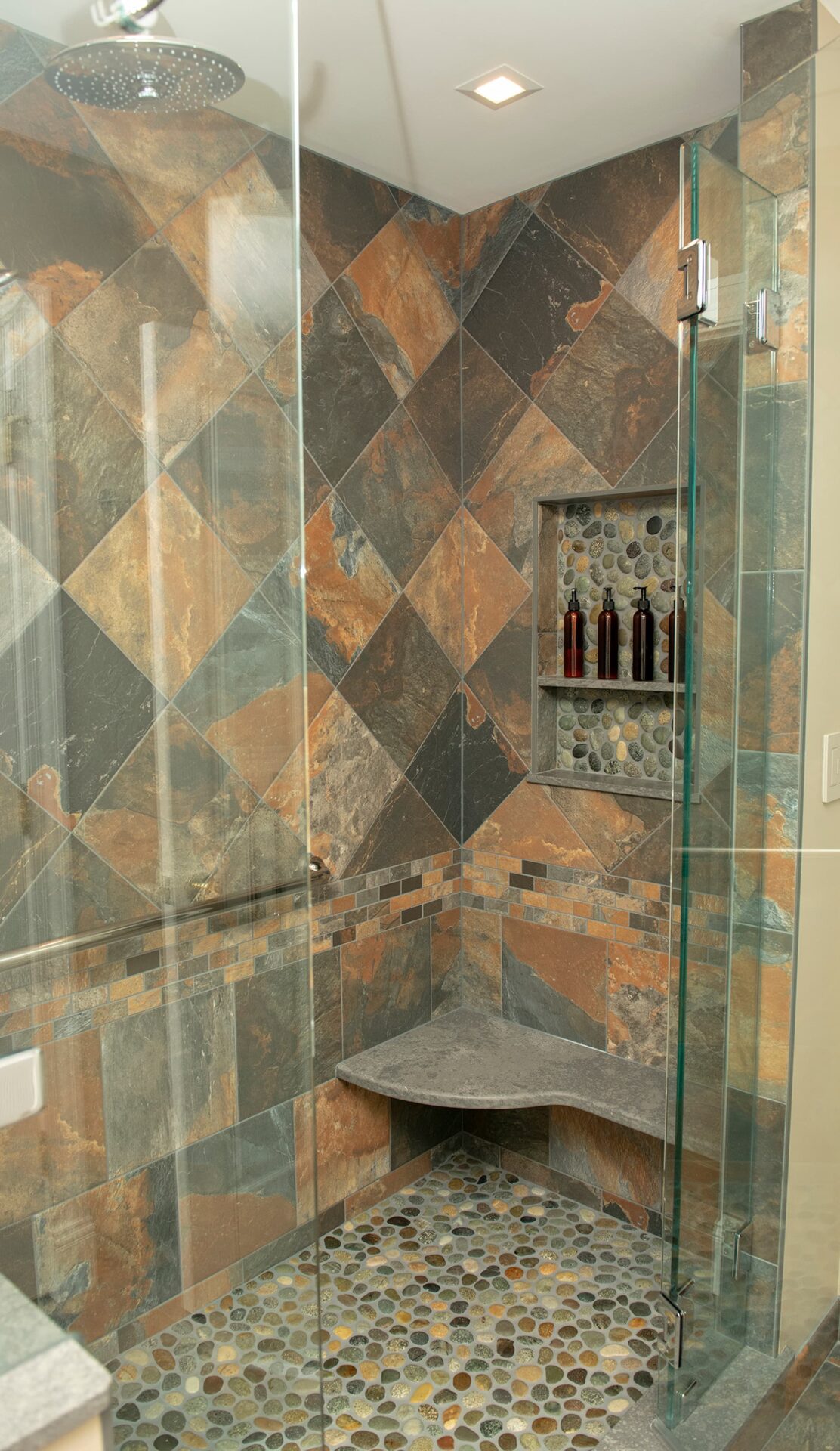
Where to Put Bathroom Tile
When planning out your bathroom space, you’ll want to make a decision about which areas you’d like to tile. You have the option to tile the entire bathroom, but you may opt to tile only one wall or only install tile around a tub or shower.
Tile can also look great as part of the backsplash behind a vanity. Tiling the vanity wall adds depth and detail to one of the key focal points of any bathroom.
The “Wet Bathroom” Concept
With the wet bathroom concept, the entire room is waterproofed and sealed, which frequently involves extensive tiling along the walls. A wet room features a curbless shower for a seamless look and extra usability. This durable design is popular in Europe and other parts of the world and has recently started gaining popularity in the U.S.
Combining Wall Tiles with Other Surfaces
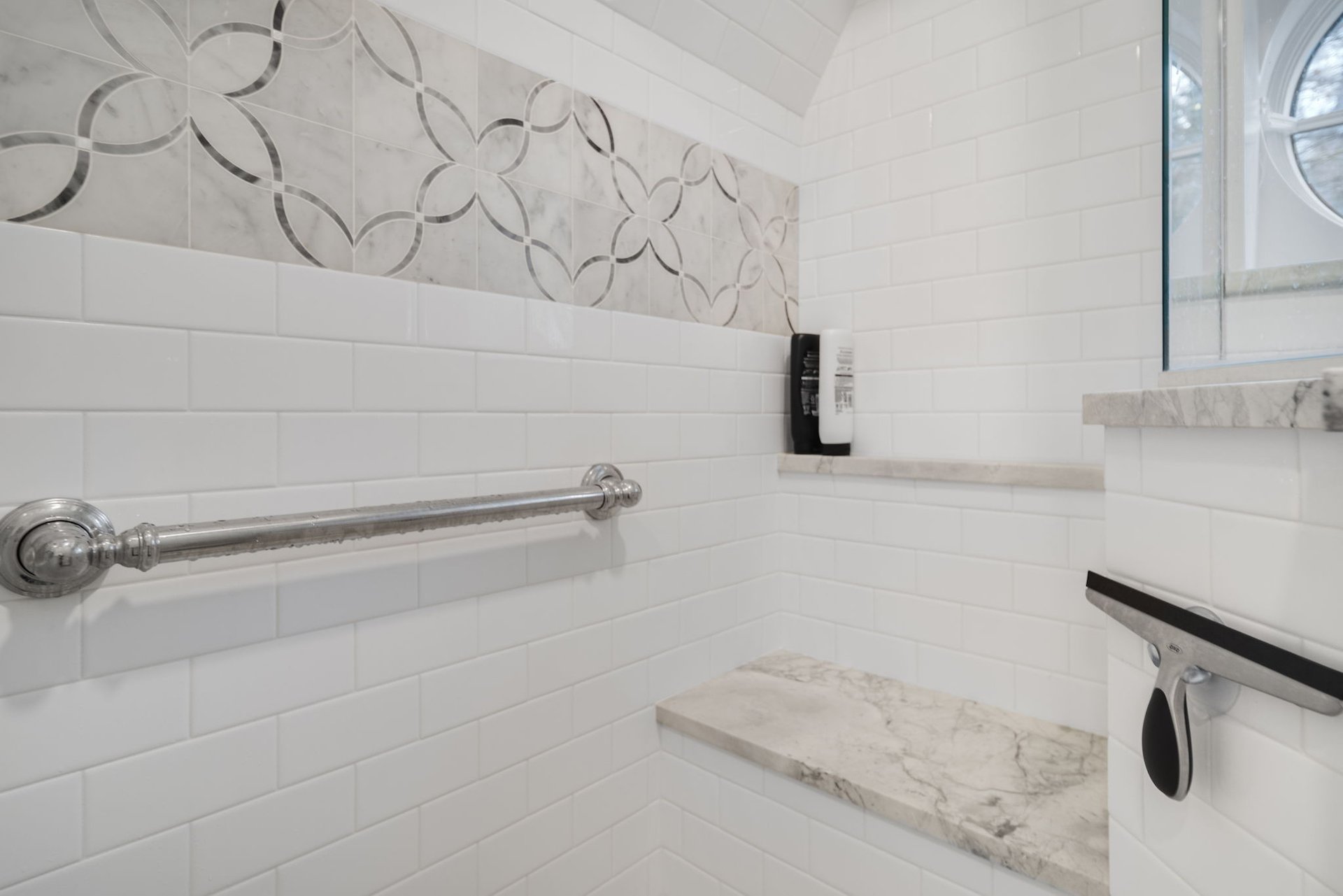
Because tile comes in so many different styles, it can often be combined with other materials to fit your sensibilities, regardless of whether you lean toward traditional, modern, or contemporary design.
Using a half wall with different tile designs can enhance the aesthetic appeal, creating unique effects like a wainscoting look or artistic textures.
On the same wall or an adjoining wall, you can put tile next to wood, engineered wood, painted drywall, plaster, or even wallpaper to make your bathroom look one-of-a-kind.
Bathroom Walls and Cohesive Interior Design
Your bathroom wall tiles are just one part of the interior design of your bathroom. While a tile wall should look good on its own, it’s more important that it looks great alongside all of the other elements in your bathroom.
Interior designers can help create a cohesive look with bathroom wall tiles by selecting unique colors and patterns that complement the overall aesthetic of the space.
Your goal should be to create synergy between the tile and those elements. For example, a dark, glossy tile is often effectively accented by gold fixtures on your vanity. There is no shortage of options for building a cohesive floor-to-ceiling look that highlights the tile walls, flooring (including floor tiles), vanity, and shower or bathtub.

Planning Your Bathroom Remodel
When designing a remodel, there’s no substitute for seeing some of your options in person. That’s especially true with tile since, as we’ve discussed, there are seemingly infinite options to choose from.
In the primary bathroom, the choice of tile is crucial as it can significantly enhance both the functionality and visual appeal of the space.
For that reason, our clients have exclusive use of our design studio, which allows them to see some example rooms and chat with our experienced team of designers and remodelers. We’ve been serving the Ithaca region for more than 30 years and would be excited to learn more about your project and answer any questions you have about your tile options.
You can read more about us, our design-build process, and our portfolio of work on our website. If you’d like to schedule a time to meet, either at our design studio or for an in-home visit, don’t hesitate to reach out to us directly.